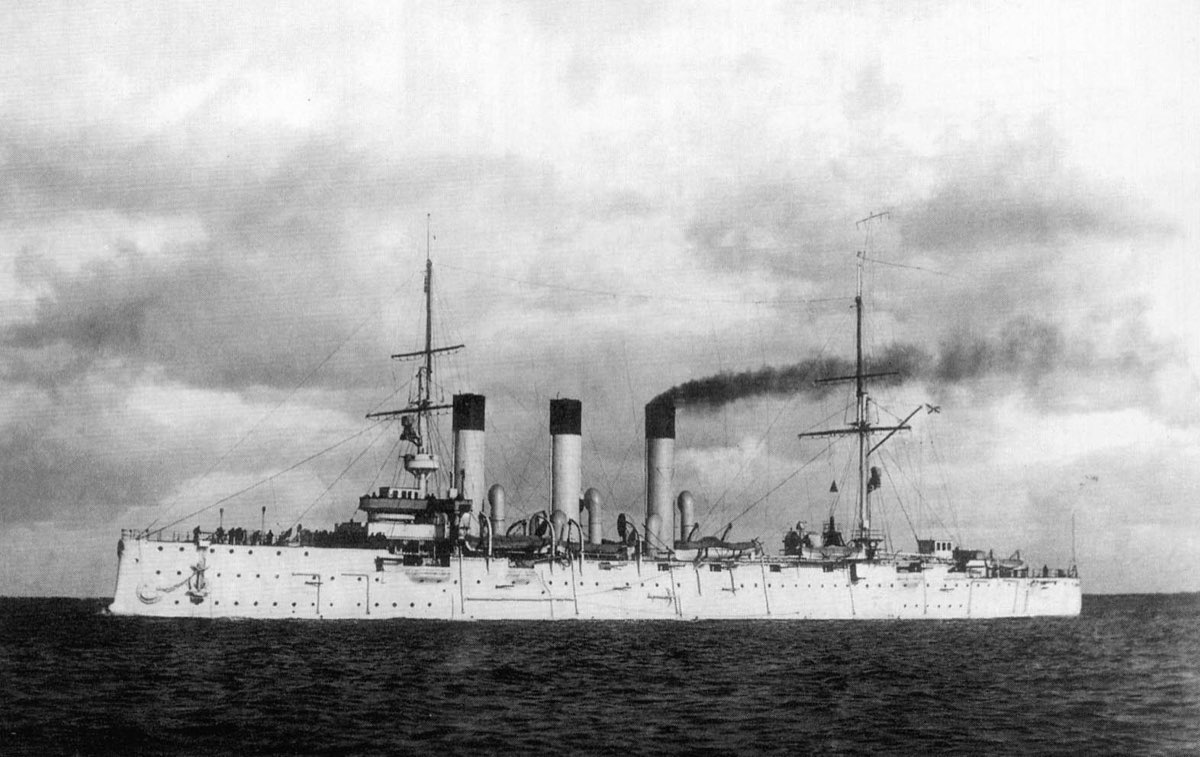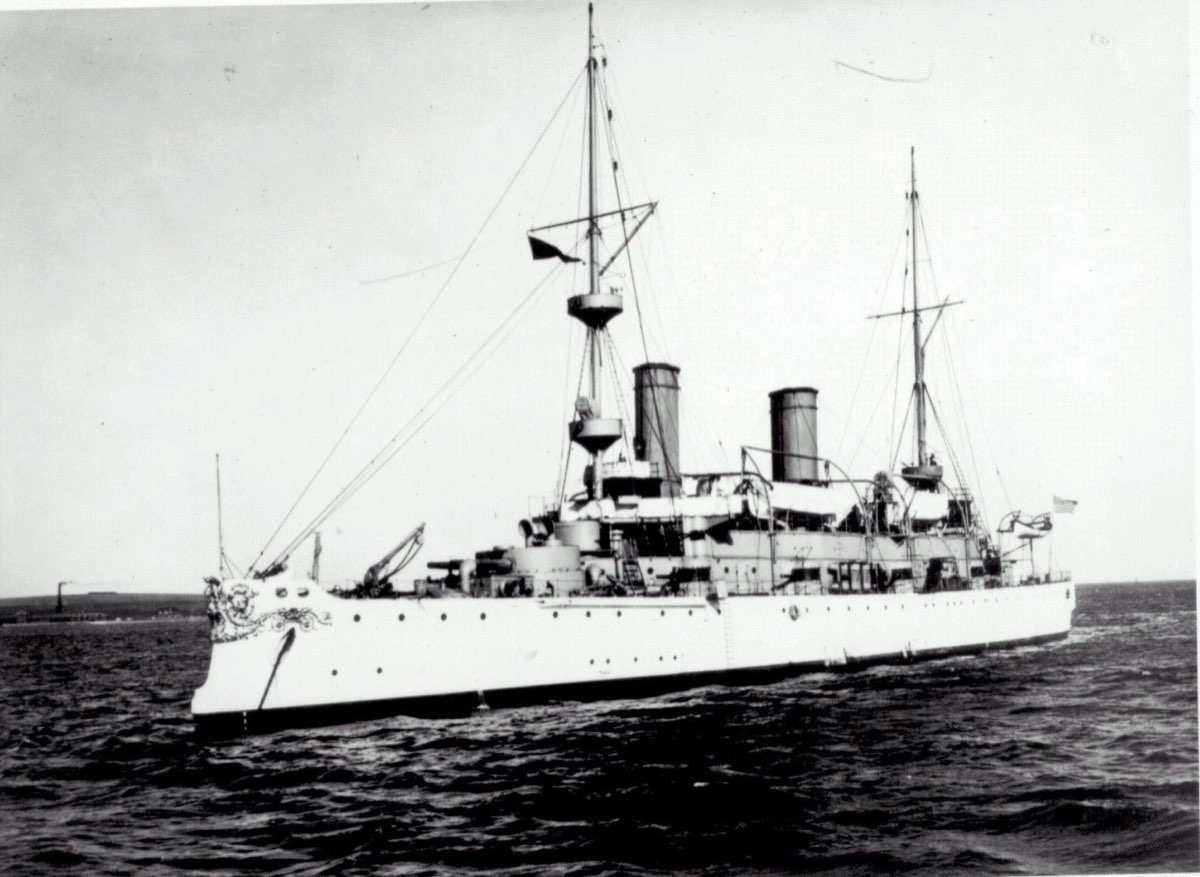
In October 1921, the Navy assigned USS Olympia to bring the remains of an unidentified American soldier from France to Washington. Olympia was already a museum piece by then. She’d been Dewey’s flagship at Manila Bay in 1898 and was well past her prime. But she got the job.
The casket was selected in a ceremony in France on October 24.
Problem was, it wouldn’t fit through Olympia’s hatches. There was no way to get it below deck. So the crew lashed it to the bow, covered it in canvas, and headed into the North Atlantic.
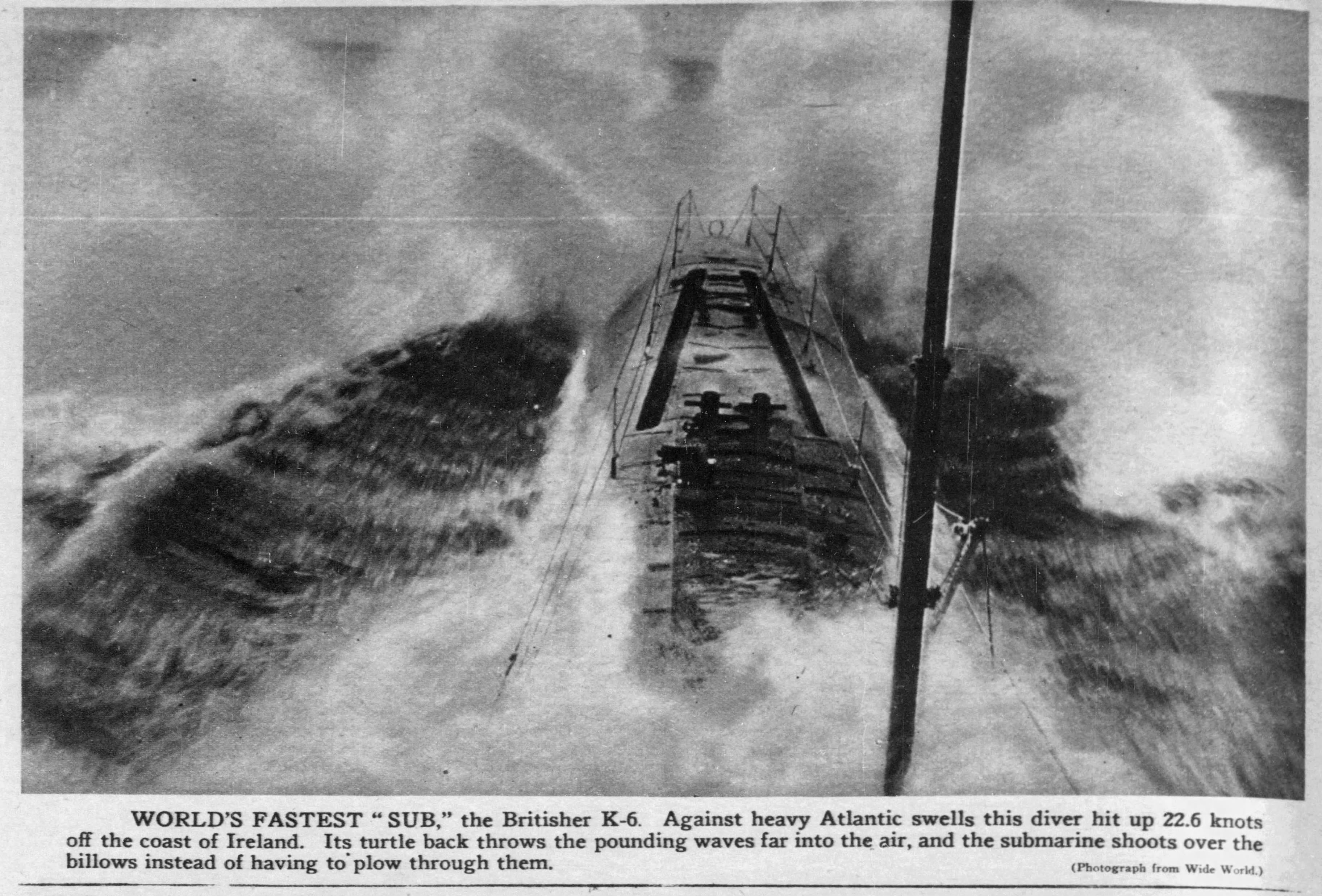
They ran straight into the remnants of the Tampa Bay Hurricane. By modern standards it would have been classified as a Category 4.
For 10 of the 15 days at sea, Olympia fought through 20 to 30 foot seas. Burning coal to push through the storm made the ship lighter, which made the rolling worse. At the peak, the ship rolled 39 degrees. Ten degrees from going over.
The crew believed each roll could be the end.
Meanwhile, the casket of the soldier who was supposed to represent every American who never came home sat on the bow, taking the full force of the Atlantic.
Olympia made it to the Washington Navy Yard on November 9, 1921. Battleship North Dakota and destroyer Bernadou escorted her up the Potomac.
Two days later, on Armistice Day, the Unknown Soldier was interred at Arlington.
Olympia still exists. She’s a museum ship at the Independence Seaport Museum in Philadelphia. She’s one of the oldest steel warships still afloat anywhere in the world.
Sources
- Wikipedia: USS Olympia (C-6)
- Arlington National Cemetery: The Unknown Soldier
- Poole, Robert M. On Hallowed Ground: The Story of Arlington National Cemetery. Bloomsbury, 2009.
- Wikipedia: Tomb of the Unknown Soldier